Recruiting a seafarer is an operational decision as well as an administrative one. The right appointment connects valid qualifications with experience of the vessel’s equipment, cargo and working environment. A certificate confirms a defined qualification; it does not by itself show how confidently somebody will manage an unfamiliar bridge, engine room or emergency station.
The STCW Convention, including the Manila amendments commonly associated with STCW 2010, provides an important baseline. Owners and managers must also check current flag requirements, safe manning documents, role-specific training and employment obligations. This guide outlines a structured approach to crew management within ship operations, without replacing those current requirements.
1. Define the assignment before reviewing candidates
Write a role profile for the actual vessel. Record its type, propulsion and control systems, cargo arrangements, trading area, working language and expected duties. Identify any specialist training or endorsements required for the assignment. Avoid treating a previous rank alone as evidence of readiness for a materially different operation.
Check the minimum safe manning document and the intended watchkeeping arrangements together. Minimum numbers do not automatically resolve workload during intensive port operations, maintenance or unusual voyages. The recruiting team needs a clear brief from the technical and operational teams so that a commercial schedule does not silently become a crewing assumption.
2. Verify documents at source where possible
Check certificates of competency, endorsements, safety training and medical fitness against the role and flag. Use issuing administration verification services where available. Record the check date and outcome rather than relying on an unchecked scanned copy. Resolve discrepancies in names, dates or limitations before travel is arranged.
Consider the complete period of employment
Review passport, visa, seafarer identity and travel requirements for the intended route and contract period. Identify certificates that may need renewal during the assignment and plan for them early. A document that is valid on the joining date may still create a foreseeable problem later. Handle medical and personal records with appropriate access controls and confidentiality.
3. Assess practical experience with focused questions
Use an interview to explore recent work rather than collecting general assurances. Ask a deck officer to describe a difficult arrival, the information available and how the bridge team agreed its plan. Ask an engineer about an abnormal machinery condition, the checks made and the way the outcome was confirmed.
Questions should match the intended equipment and duties. Where appropriate, use a practical assessment or simulator exercise with defined criteria. Record evidence and limitations fairly. The objective is to identify the candidate’s strengths and learning needs, not to reward familiarity with a particular interviewer’s vocabulary.
4. Check communication and team integration
Safe operations depend on people understanding instructions, raising concerns and confirming critical information. Assess the working language in realistic situations, including an emergency call or a maintenance handover. Strong conversational ability in an interview is different from making an unambiguous report under pressure.
Discuss stop-work expectations, escalation and respectful working practices. A person joining a multicultural crew should understand how to challenge an unsafe condition and where to seek help. References, when used, should follow a consistent process and focus on relevant duties and behaviour, with appropriate consent and records.
5. Make the employment arrangement clear
Explain the contract, role, remuneration arrangements, planned assignment and grievance route before departure. Confirm applicable statutory and collective bargaining obligations with competent advisers. Keep recruitment communications consistent so the seafarer is not given a different understanding by the office, intermediary and ship.
Plan travel, joining instructions and contact arrangements. Fatigue can begin before a seafarer reaches the gangway. Give the receiving master accurate arrival information and sufficient flexibility to manage rest and familiarisation. Where the joining plan changes, communicate the change directly rather than assuming a travel agent’s message has reached everybody.
6. Protect time for ship-specific familiarisation
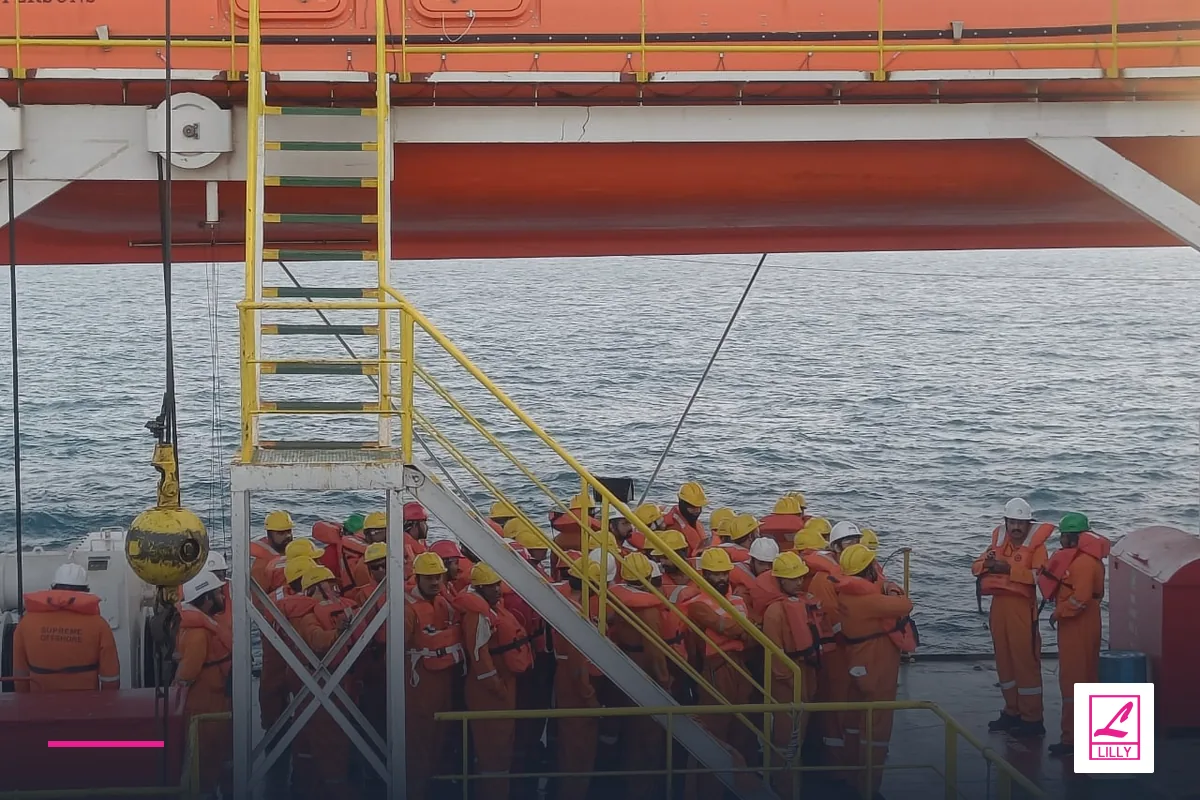
The joining process should introduce emergency duties, escape routes, lifesaving and firefighting equipment, security arrangements and reporting procedures. Departmental familiarisation must also cover the equipment the person will operate. Use a checklist as a prompt for demonstration and discussion, rather than as a form signed immediately after arrival.
For a watchkeeping role, agree when the individual can take independent duty. The outgoing officer, department head and master should understand that decision. If the planned overlap is reduced, assess the consequences and arrange additional support. An urgent sailing schedule does not remove the need to establish operational readiness.
7. Use drills and observation to guide development
Build a training plan from the crew’s actual needs, inspection findings and operational changes. Combine formal courses with supervised work, equipment instruction and scenario discussion. Short, focused learning can be useful when it addresses a clearly observed gap and is followed by a practical check.
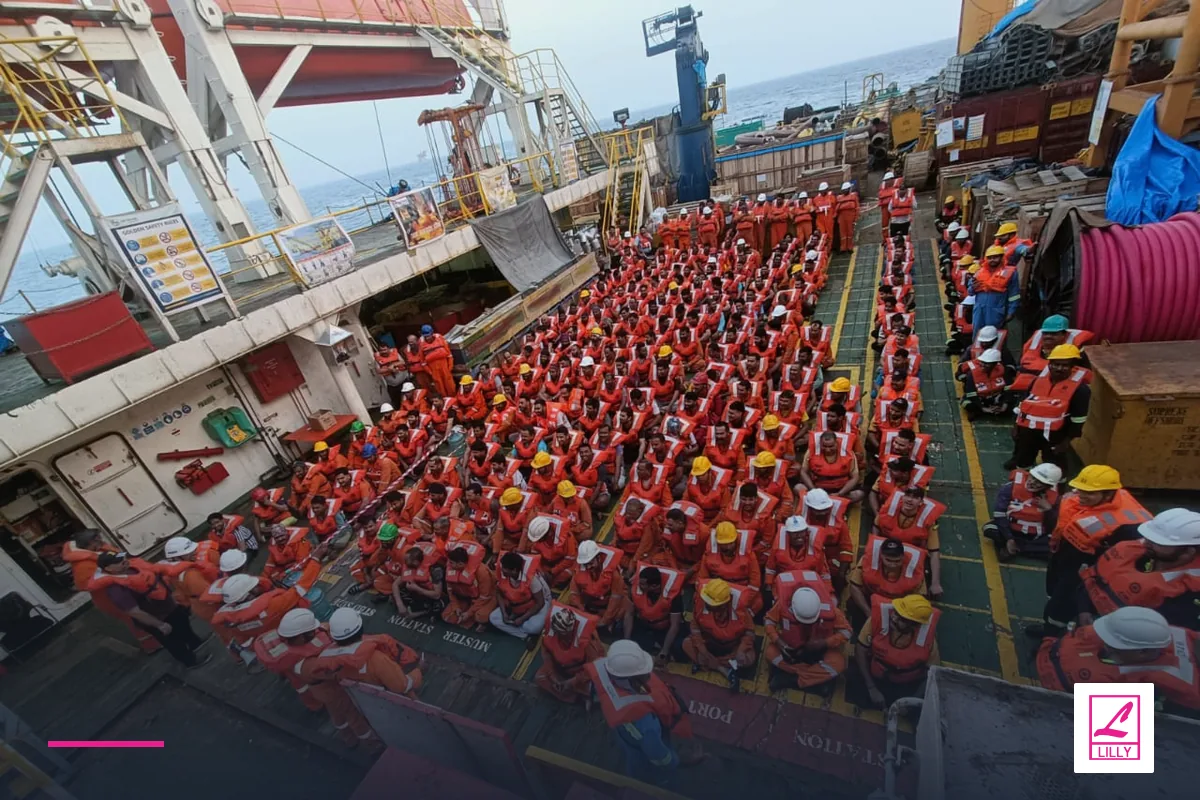
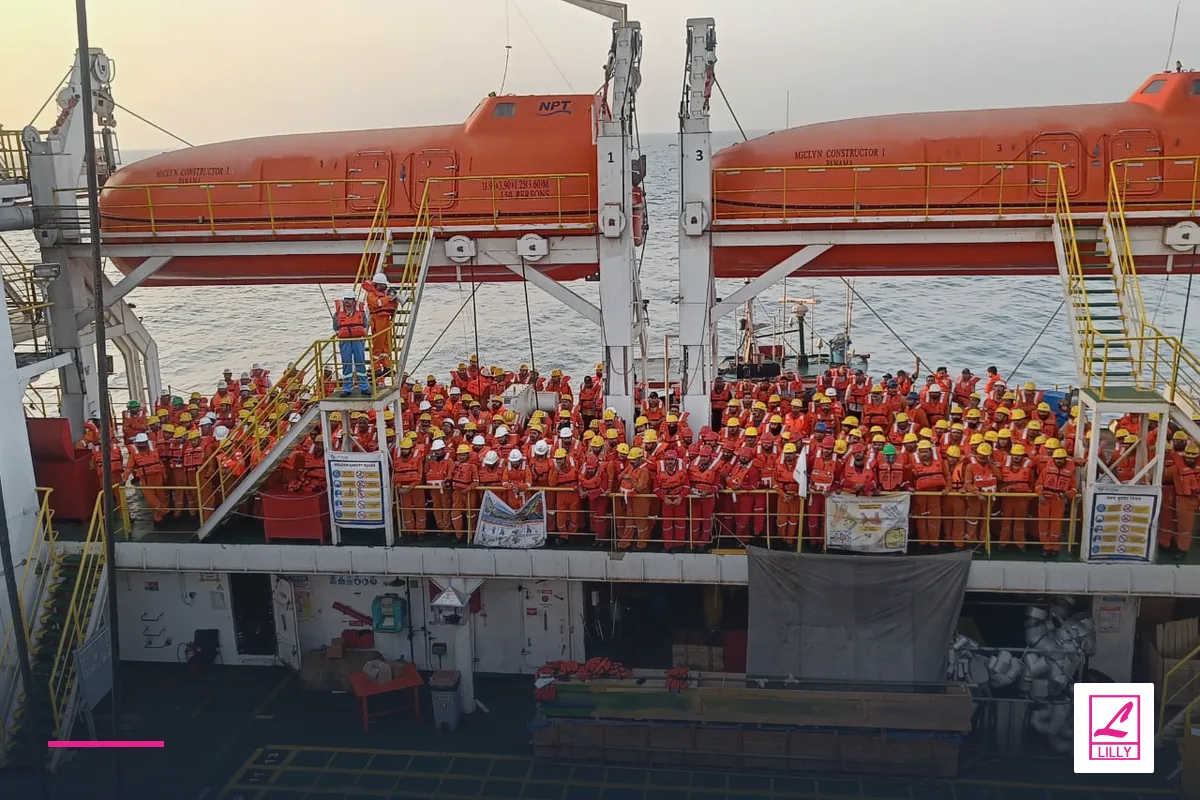
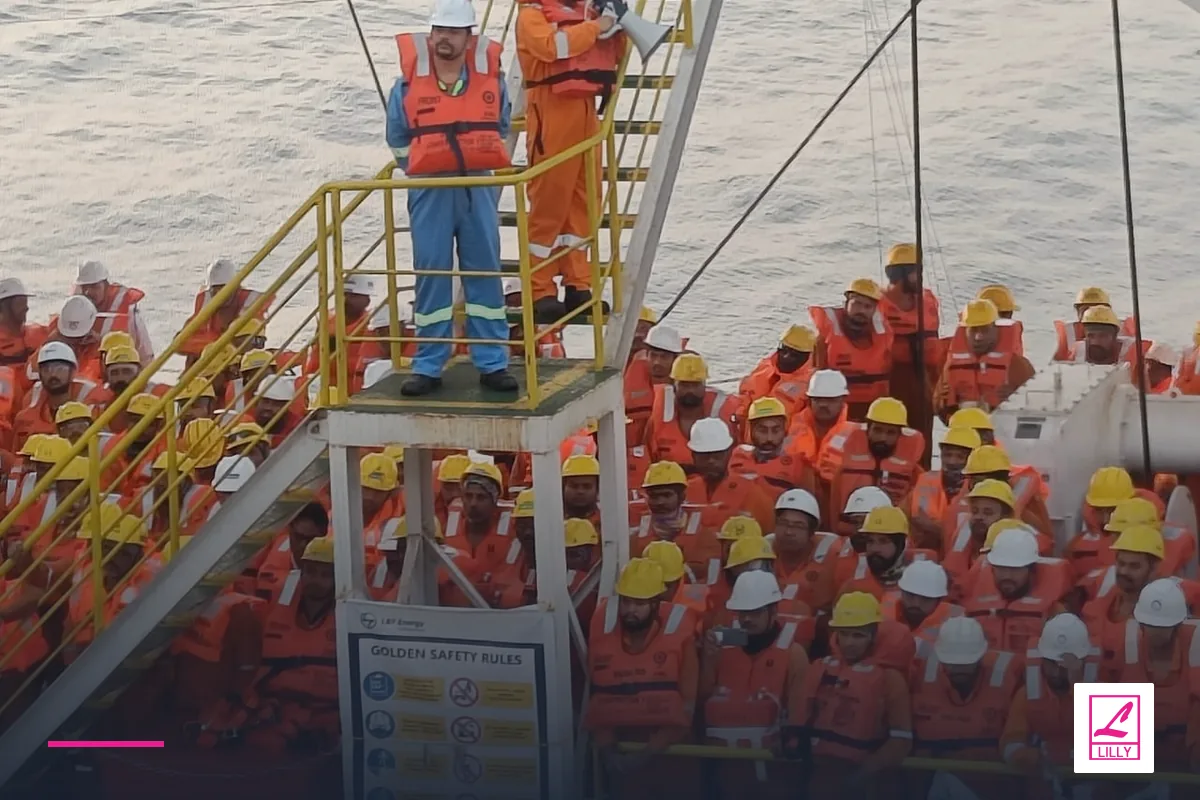
Review drills for coordination as well as individual skill. Did the message reach the right person? Was equipment available? Did the team recognise changing conditions? Record constructive feedback and action owners. Training records become more useful when they explain what the person can now do and where further supervised practice remains necessary.
8. Review performance without losing the context
Use fair, evidence-based appraisals throughout the assignment. Distinguish a competence issue from an equipment defect, inadequate staffing or an unclear procedure. Invite the seafarer’s perspective. A structured debrief at sign-off can identify improvements in recruitment, travel, onboarding and shore support.
Maintain a current competence matrix so the next appointment builds on verified information. Include relevant vessel experience, valid qualifications, completed training and development needs. Review access and retention arrangements for personal information. Reliable records support better assignments, but thoughtful discussion remains essential when the next vessel presents a different operating challenge.
A better joining decision
Before confirming an appointment, ask whether the documents, practical assessment, employment arrangements and familiarisation plan tell a consistent story. Any unresolved gap should have a named decision-maker and a proportionate response. For the service context, see Lilly Maritime’s technical and crew management offering. A sound selection process prepares both the individual and the receiving ship for a safe start.